Oracle Cloud Infrastructure (OCI) has become a prominent choice for organizations seeking robust cloud solutions. However, as with many complex platforms, misconceptions and misunderstandings can arise, leading to confusion about its capabilities, features, and operational principles. This article aims to clarify some of the most common misunderstandings surrounding OCI, helping users and potential adopters develop a clearer and more accurate understanding of what the platform offers and how it functions.
Addressing Frequently Confused Aspects of Oracle Cloud Infrastructure
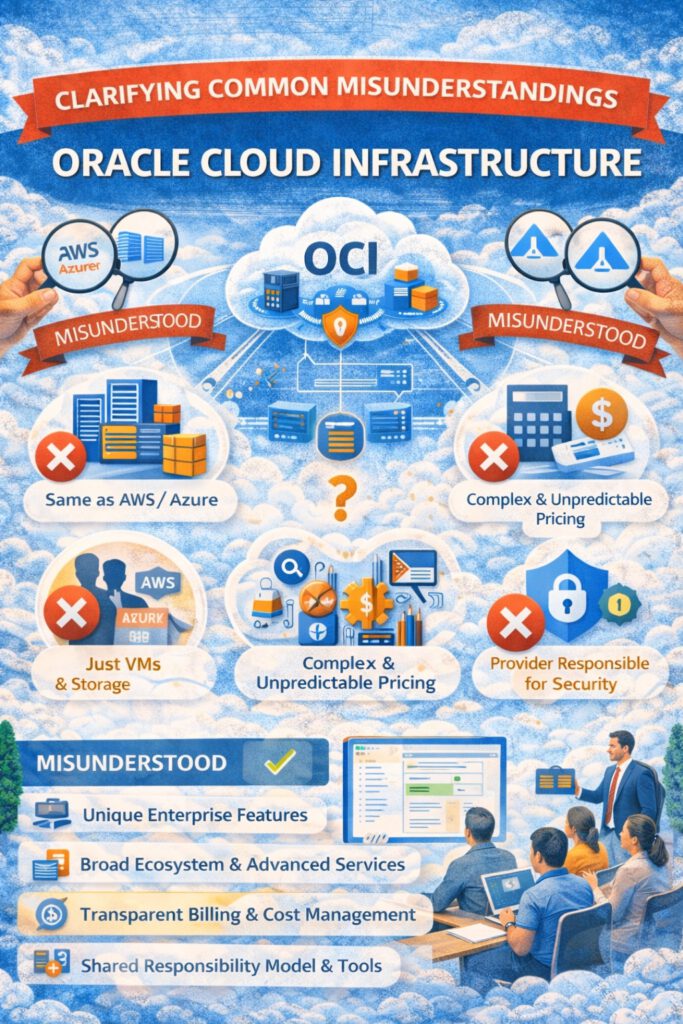
One of the most common misunderstandings about OCI concerns its differentiation from other cloud service providers. Many users mistakenly believe that OCI simply replicates features found in platforms like AWS or Azure, but in reality, OCI offers unique architectural advantages tailored for enterprise workloads. For example, OCI provides a high-performance networking infrastructure with dedicated Ethernet connections and low-latency options, which are especially beneficial for mission-critical applications. Additionally, its focus on security, such as isolated networks and comprehensive identity management, sets it apart by emphasizing enterprise-grade security features that are deeply integrated into its architecture, rather than being add-on services.
Another aspect often misunderstood is the scope of OCI’s services. Some assume that OCI primarily offers virtual machines and storage options, but the platform encompasses a broad ecosystem that includes advanced services like autonomous databases, data analytics, AI and machine learning tools, and developer-centric services such as container orchestration with Kubernetes. This extensive suite allows organizations to build, deploy, and manage complex applications within a unified environment, reducing the need to juggle multiple cloud providers. Recognizing the breadth of OCI’s offerings helps clarify its position not just as a cloud hosting platform, but as a comprehensive cloud ecosystem.
A further source of confusion relates to pricing and cost management. Many users believe OCI’s pricing model is overly complex or unpredictable, but Oracle has designed its billing with transparency and flexibility in mind. OCI offers a pay-as-you-go model, as well as subscription options, with clear documentation and tools for cost estimation and optimization. Understanding that OCI also provides free tiers and trial credits can dispel the misconception that it is prohibitively expensive, enabling organizations to evaluate its services without significant upfront investment. Proper cost management tools and awareness of available discounts can further ensure efficient budgeting and resource utilization.
Another frequently misunderstood aspect concerns OCI’s security and compliance features. Some assume that cloud security is primarily the responsibility of the provider, but OCI operates on a shared responsibility model. Oracle provides robust security tools, such as encryption, network security, and identity management, but users must configure and manage their security policies appropriately. Clarifying this division of responsibilities helps organizations understand how to leverage OCI’s security features effectively. Furthermore, OCI’s compliance certifications and adherence to industry standards demonstrate its commitment to providing a secure environment suitable for sensitive and regulated workloads.
Finally, misconceptions about the ease of migration to OCI are common. Some believe that moving existing applications to OCI involves extensive re-architecture or technical hurdles. While some workloads may require adjustments, Oracle offers a variety of migration tools, services, and support options designed to facilitate a smooth transition. Many organizations successfully migrate with minimal disruption, especially when leveraging Oracle’s migration resources and consulting services. Recognizing the availability of these tools and support mechanisms can alleviate concerns about migration complexity and encourage more organizations to adopt OCI.
Clarifying these common misunderstandings about Oracle Cloud Infrastructure helps users develop a more accurate perception of its capabilities and operational principles. By understanding OCI’s unique features, service scope, pricing model, security responsibilities, and migration options, organizations can make better-informed decisions about adopting and utilizing the platform. As cloud technology continues to evolve, maintaining clarity and transparency remains essential for maximizing its benefits and ensuring successful implementation.